
Frames asset management around value, alignment, leadership, assurance, lifecycle thinking, and controlled decision-making.
ISO 55000 and ISO 55001 alignment
ISO-aligned asset management evidence.
Critical infrastructure owners need data that is traceable, consistent, and useful beyond the day of inspection. AMS Capture links field evidence to asset hierarchy, condition, value, risk, intervention need, and future planning context.
ISO 55000:2024 defines asset management vocabulary, overview, and principles, while ISO 55001:2024 defines requirements for an asset management system. AMS Capture supports these aims by keeping controlled asset data close to the work that creates it.
The platform does not replace an organization's asset management policy or certification process. It provides the controlled data, evidence, status, inspection records, and reporting needed to operate a stronger asset management system across live, redundant, planned, and retired assets.
Requires a managed system for policy, objectives, planning, support, operation, performance evaluation, and improvement.
Provides structured field records, asset status, inspection evidence, work history, reports, and integration-ready data.
Every cabinet, chamber, mast, meter, enclosure, power feed, and network component can be treated as a managed asset with a current status. That visibility is essential when streets contain legacy or redundant equipment that is still powered, still occupying space, and still contributing to operating cost and carbon footprint.
Energy view
Track powered assets, estimated load, active status, and suspected redundant consumption.
Carbon insight
Identify removal, consolidation, and renewal opportunities that reduce avoidable emissions.
ISO 55000
Asset management alignment
Value
Alignment
Leadership
Assurance
- Plan
- Acquire / build
- Operate
- Maintain
- Renew
- Retire / dispose
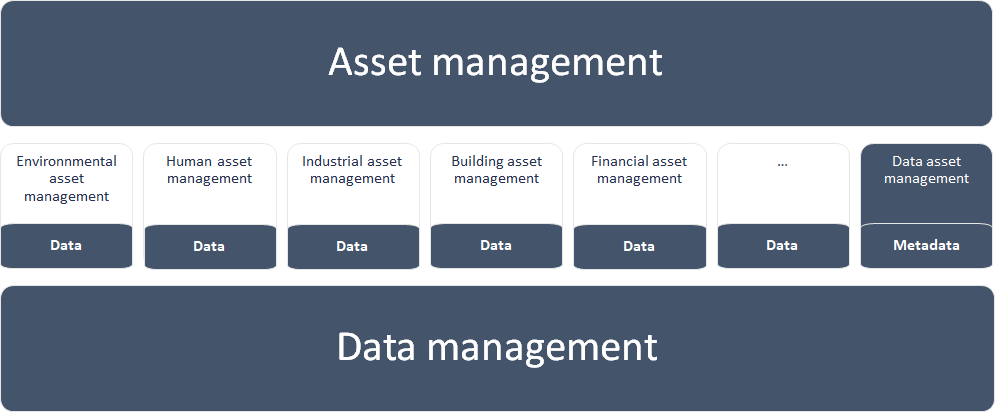 Graphic: Bmagoni, CC BY-SA 4.0, via
Wikimedia Commons.
Graphic: Bmagoni, CC BY-SA 4.0, via
Wikimedia Commons.
Leadership, Policy and Strategy
AMS Capture Asset Management System
Asset strategy
Objectives, service levels, risk appetite
Asset capability
Processes, forms, roles, quality rules
Asset
Life
Cycle Plan Create / acquire Operate / maintain Retire / replace
Life
Cycle Plan Create / acquire Operate / maintain Retire / replace
Value delivery
- ISO 55000 alignment
- ISO 55001 evidence support
- Asset criticality
- Current status
- Energy and carbon views
- Audit evidence
- REST API integration
Physical asset portfolio and field evidence
Field evidence
Photos, GPS, forms, condition, status
Asset register
Hierarchy, ownership, criticality, energy
Lifecycle decision
Maintain, renew, consolidate, retire
Value and decision-making
Connect field evidence to asset value, risk, intervention need, lifecycle stage, and defensible investment decisions.
Alignment to objectives
Shape forms, classifications, workflows, and reports around the asset management objectives used by the organization.
Leadership and governance
Give managers controlled views of work status, exceptions, evidence quality, overdue inspections, and improvement actions.
Data and knowledge
Maintain structured asset knowledge: hierarchy, ownership, location, condition, criticality, energy status, and inspection history.
Operation and lifecycle
Support field operations, preventive maintenance, renewal planning, redundancy identification, retirement, and disposal decisions.
Performance and improvement
Use dashboards, reports, exception trends, carbon insight, and REST API integration to improve the asset management system.
ISO 55001 asset management system support
AMS Capture turns field activity into managed system evidence.
ISO 55001:2024 expects asset management to be planned, operated, monitored, reviewed, and improved as a management system. AMS Capture supports that operating discipline by keeping field work, asset knowledge, status changes, reports, exceptions, and improvement evidence connected.
ISO 55001
Management system evidence
Context and stakeholders
Leadership, policy, objectives
Planning, risk, opportunities
Support, competence, data knowledge
Operation and lifecycle controls
Performance evaluation
Improvement and corrective action
AMS Capture supports ISO 55000 / ISO 55001-aligned asset management evidence and operating controls. Certification scope, policies, audits, and formal compliance decisions remain the responsibility of the organization and its appointed certification body.
Build a trusted network register
Improve your asset data.
Use AMS Capture to standardize inspections, create defensible records, support ISO 55000 / ISO 55001 asset management processes, and unlock the intelligence needed for future planning. Choose cloud or on-premises deployment, then tailor forms, workflows, reports, integrations, and asset hierarchies around your utility network.